Jdable's Subsidiaries

Artemis

AEOP grant winner building braille learning systems to teach braille at a fraction of the cost and complexity of other systems.


Artemis develops the Artemis Glasses, a lightweight wearable device that uses computer vision and deep learning to recognize physical Braille and translate it into audio. Using this, the system guides users through the Braille learning process.


With limited Braille teachers and expensive existing solutions, Artemis offers a scalable and cost-effective way, doing more and better for less.
Artemis website
Artemis Vision app

Student Mobility Initiative

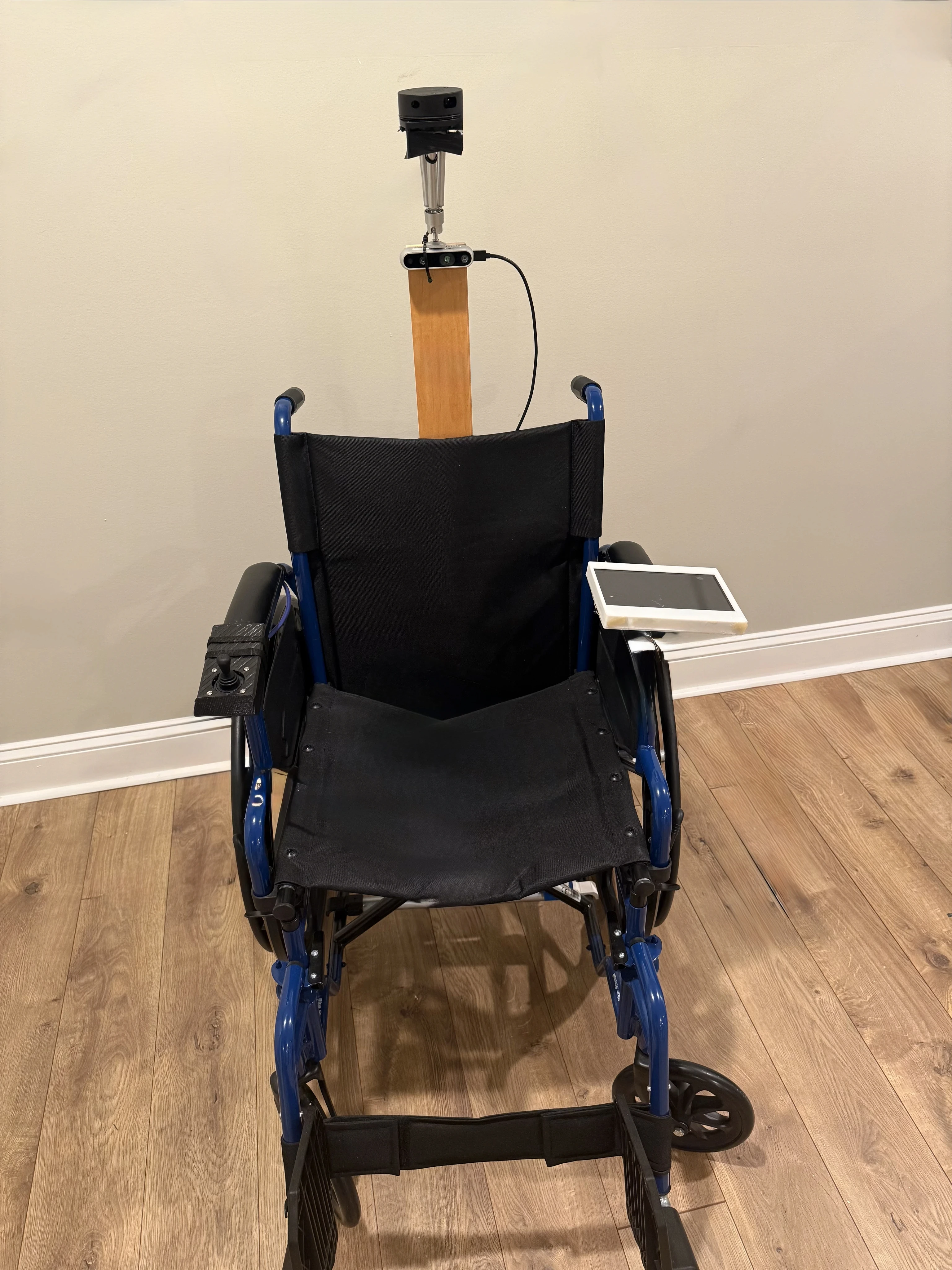
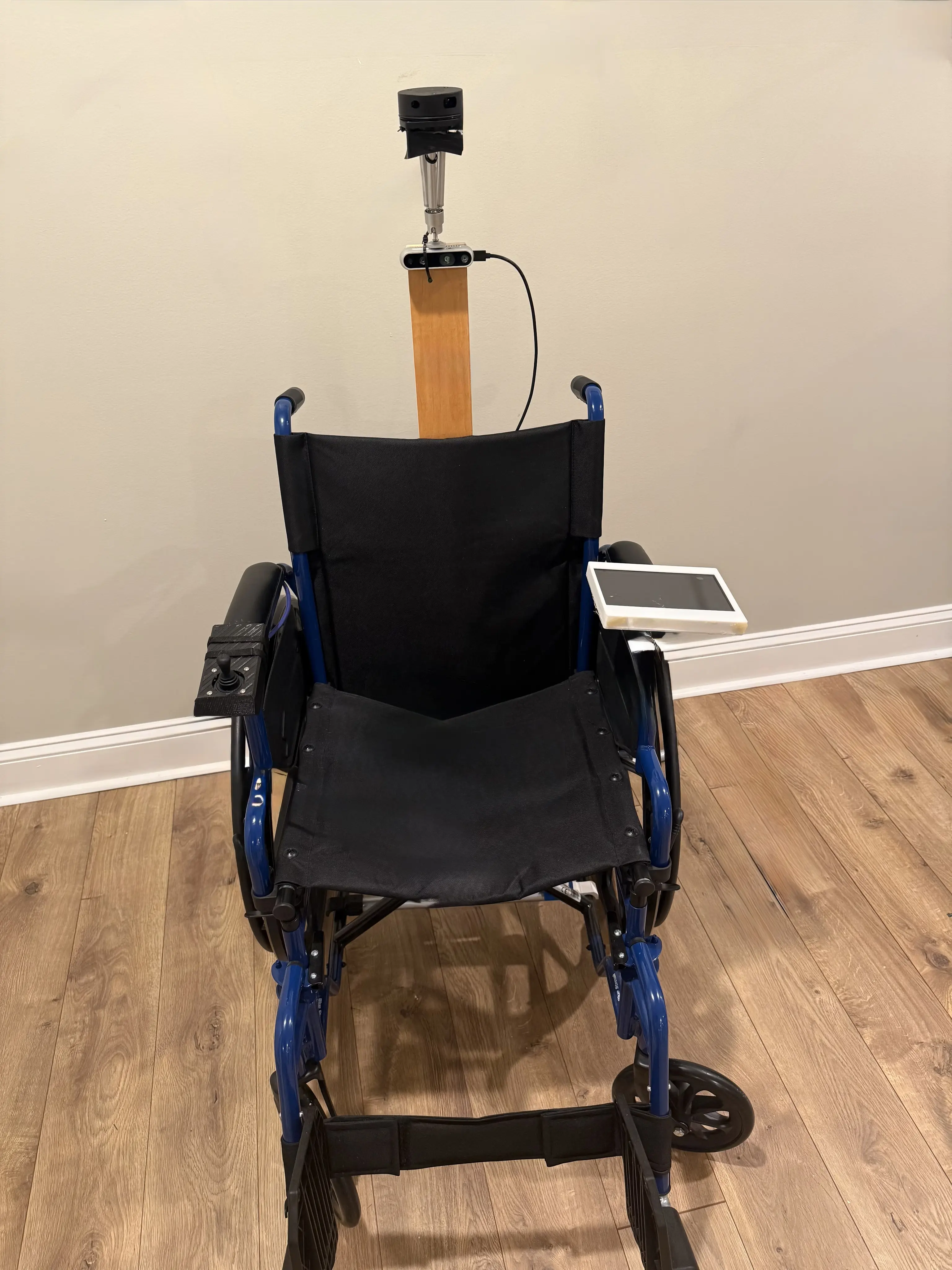
Student Mobility Initiative develops an intelligent, self-navigating wheelchair designed for large indoor environments such as airports, hospitals, and campuses.


Users can select a destination, such as a gate or room, and the wheelchair uses LiDAR, depth cameras, and other sensors to plot a route and continuously adjust it as the wheelchair travels. A touchscreen interface allows users to choose where to go.


For persons requiring a wheelchair, navigating large environments can be stressful and time-consuming, for both the person and caregivers. We use affordable hardware and intelligent navigation to make mobility easier, safer and more autonomous.

Student Mobility Initiative

Student Mobility Initiative develops an intelligent, self-navigating wheelchair designed for large indoor environments such as airports, hospitals, and campuses.


Users can select a destination, such as a gate or room, and the wheelchair uses LiDAR, depth cameras, and other sensors to plot a route and continuously adjust it as the wheelchair travels. A touchscreen interface allows users to choose where to go.


For persons requiring a wheelchair, navigating large environments can be stressful and time-consuming, for both the person and caregivers. We use affordable hardware and intelligent navigation to make mobility easier, safer and more autonomous.

Student Mobility Initiative

Student Mobility Initiative develops an intelligent, self-navigating wheelchair designed for large indoor environments such as airports, hospitals, and campuses.


Users can select a destination, such as a gate or room, and the wheelchair uses LiDAR, depth cameras, and other sensors to plot a route and continuously adjust it as the wheelchair travels. A touchscreen interface allows users to choose where to go.


For persons requiring a wheelchair, navigating large environments can be stressful and time-consuming, for both the person and caregivers. We use affordable hardware and intelligent navigation to make mobility easier, safer and more autonomous.